
The Merging of Physical and Digital: Phygital Marketing in Action
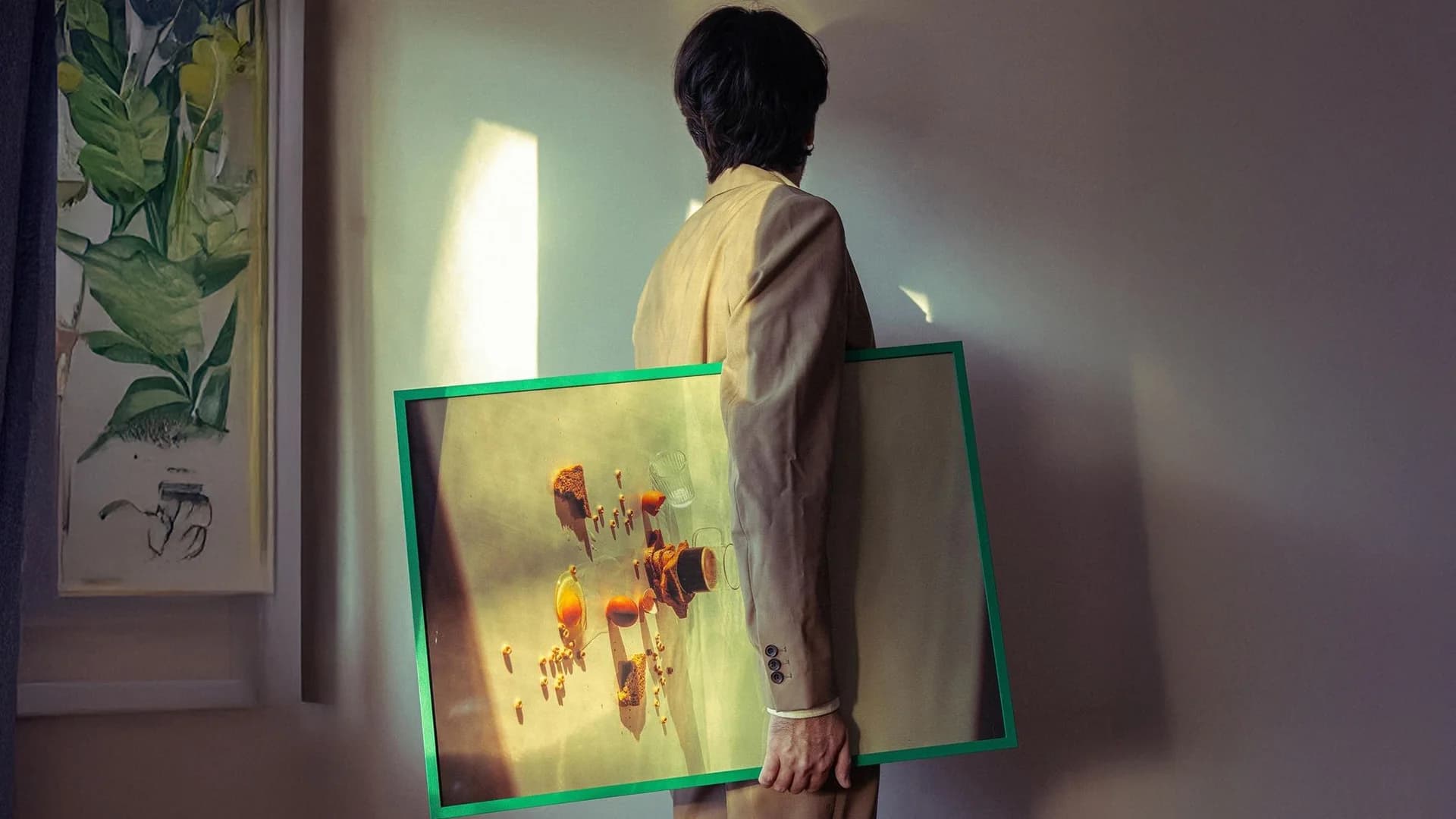
For years, marketing treated these worlds as separate. Physical was tangible; digital was trackable. One drove presence, the other performance. Teams were divided, budgets separated, and strategies siloed.
The Merging of Physical and Digital: Phygital Marketing in Action.
The most compelling brand experiences today live in the in-between the space where physical and digital collide.
For years, marketing treated these worlds as separate. Physical was tangible; digital was trackable. One drove presence, the other performance. Teams were divided, budgets separated, and strategies siloed.
But customers don’t think in channels. They think in moments.
They expect every touchpoint on their screen, on a shelf, in a store, or in their hands to feel like the same brand, speaking with the same intelligence, tone, and logic.
This is the essence of phygital a system-level idea connected closely to the integrated approach explored in Why IMC Is an Operating Model.
What “Phygital” Really Means
Phygital isn’t a gimmick or a buzzword.
It’s an operating model the deliberate integration of physical environments with digital intelligence.
It’s where design, data, and human behavior intersect to create experiences, not just impressions.
And it’s far more than sticking a QR code on packaging and calling it innovation.
Phygital happens when interaction design meets real-world rituals.
Picture:
- A retail pop-up whose messaging shifts in real time as shopper behavior changes
- Packaging that unlocks personalized digital content when scanned
- A loyalty system that rewards in-store actions with tailored digital responses
- A digital community platform that mirrors the intimacy of a live brand event
These aren’t stunts they’re living touchpoints that build relevance, memory, and connection.
This mirrors the intersection of physical behavior and digital logic explored in The Merging of Physical and Digital.
The System That Makes It Seamless
Phygital only works when it’s designed as a system, not a collection of disconnected activations.
At MKYCOMM, that system is organized across three structural layers:
Touchpoint Intelligence Every scan, swipe, visit, post, or purchase generates data.
That data reveals intent, timing, preferences, and friction points.
When captured intentionally, it becomes strategic insight, not noise.
Narrative Continuity
Across physical and digital, the brand must sound like the same entity:
same beliefs, same tone, same internal logic.
Phygital collapses if the narrative breaks the same risk discussed in What Brand Strategy Really Means.
Experience Modularity
High-performing brands build assets like modular blocks:
- The in-store signage informs the social asset.
- The unboxing experience echoes the Instagram caption.
- The physical event fuels the digital story.
Everything snaps together because it was designed to.
This modular approach is aligned with the system-based structure described in Marketing Systems vs. Content Calendars.
Phygital Is Not a Gimmick
- Weak phygital tries to impress.
- Strong phygital aims to integrate.
- It builds memory through surprise, credibility through consistency, and trust through seamlessness proving that customers don’t care how they engage, only that it feels coherent.
This is the same consistency logic explored in Purpose-Driven Branding.
Final Thought: What Lives in the In-Between?
The future of branding doesn’t live purely in the physical or purely in the digital.
It lives on the bridge in the transitions, the handoffs, the connected moments.
The brands that win in 2025 aren’t the ones who dominate one dimension.
They’re the ones who move fluidly across both, without breaking story or experience.
In a phygital world, marketing isn’t about media It’s about movement.
The brands that master movement don’t just show up in both worlds They build between them.
For phygital-driven systems, explore Our Integrated Brand Systems,
review connected-journey projects inside Our Work Showcase, or Talk With Our Strategy Team.